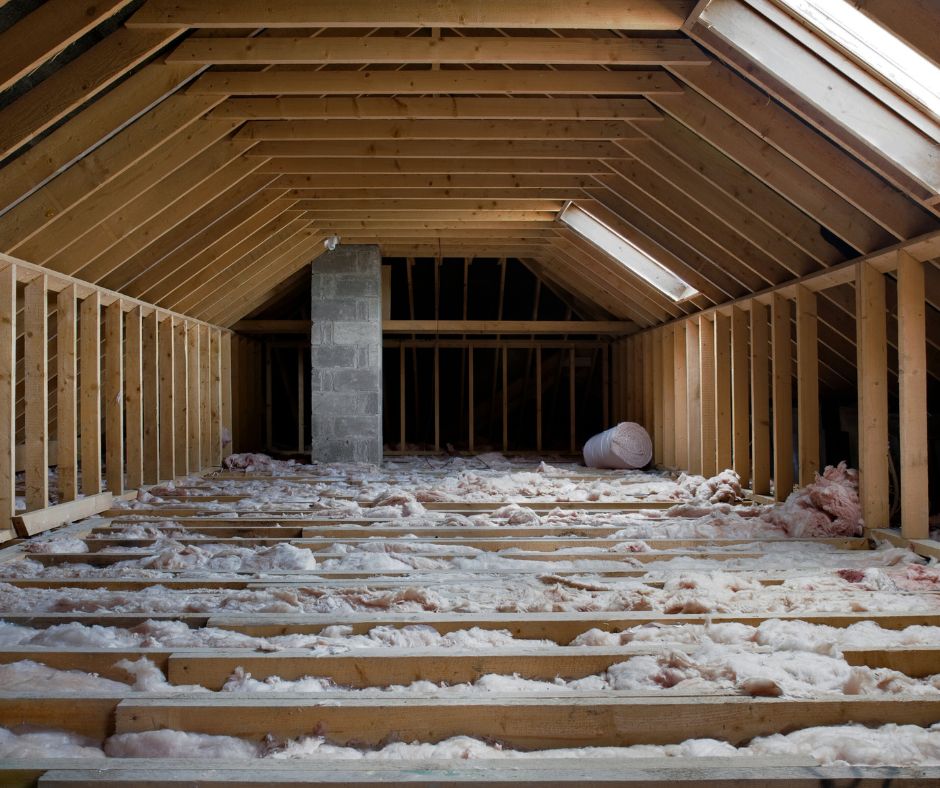
Is Blown-In Insulation Better Than Rolled? A South Florida Homeowner’s Guide

When it comes to improving home comfort and reducing energy costs, attic insulation is one of the most effective upgrades for homeowners in Boca Raton and across South Florida. With prolonged heat, high humidity, and increased reliance on air conditioning, the right insulation strategy plays a major role in energy efficiency and indoor comfort.

In this article, we answer three important questions that local homeowners frequently ask:

  • Which is better: blown-in or rolled attic insulation?
  • Can too much attic insulation be bad?
  • Does replacing attic insulation increase home value?

Whether you are renovating an older home, preparing for summer heat, or simply trying to make your air conditioning system run more efficiently, this guide will help you understand the impact of attic insulation upgrades and how to decide what is best for your property.


Which is better, blown-in or rolled attic insulation?

For most existing homes in South Florida, blown-in fiberglass insulation is the better choice. It provides excellent coverage by filling gaps and reaching irregular areas in the attic. This makes it ideal for retrofit installations where the attic contains wiring, ducts, or uneven surfaces.

Blown-in insulation is typically installed using a hose system that evenly distributes material across the attic floor. Because it conforms to the structure, it offers more consistent coverage than rolled insulation.

Rolled insulation, also known as batt insulation, may work in easily accessible attics with flat joist layouts or where a walkable storage space is being created. However, it generally does not perform as well in hot climates unless combined with air sealing methods.

In most homes in Boca Raton and Palm Beach County, blown-in insulation provides the best thermal performance and energy savings for attic upgrades.


Can too much attic insulation be bad?

While increasing insulation levels improves energy performance, adding too much insulation can create issues with moisture control and ventilation. For homes in South Florida’s humid climate, insulation must be installed to the correct thickness and R-value to avoid trapping humidity or disrupting attic airflow.

The recommended range for attic insulation in Climate Zone 1 (which includes Boca Raton) is R-30 to R-38. This typically translates to:

  • R-30: approximately 9.5 inches of insulation
  • R-38: approximately 12 inches of insulation

Adding insulation beyond R-38 is rarely beneficial and may create airflow imbalances that lead to condensation or reduced roof ventilation. The goal should be to reach the correct R-level rather than exceeding it.

More insulation is only helpful when applied in the proper thickness and with consideration for ventilation and attic design.


Does replacing attic insulation increase home value?

Upgrading or replacing attic insulation can contribute to increased home value by improving energy efficiency, reducing utility costs, and improving climate control. Most homebuyers today value efficient heating and cooling systems, and insulation improvements are often highlighted during property evaluations and inspections.

Improved insulation can reduce energy usage by 10 to 25 percent in many South Florida homes. In addition, newer insulation materials often protect against humidity and heat damage, which helps strengthen the long-term value of the home.

Real estate professionals note that upgraded insulation is viewed favorably in listings, especially for buyers relocating from northern states who may be unfamiliar with the challenges of South Florida’s heat and humidity. Documenting insulation replacement can also help during resale, especially if the previous insulation was installed before modern energy standards.

Replacing insulation is generally most impactful when existing insulation is visibly degraded, mold-affected, compacted, or damaged by pests.


Upgrade versus replacement: how to choose

The decision to add insulation or fully replace it depends on the condition of the existing material.

  • If insulation is dry, clean, and not compressed, additional blown-in insulation can usually be added over it.
  • If insulation is damp, rodent-contaminated, moldy, or deteriorated due to age, full removal and replacement is recommended.
  • If insulation is more than 15 to 20 years old or has an uneven appearance, replacement is often the best option.

A professional evaluation helps determine whether topping up or complete replacement is the smarter investment.


Why insulation upgrades are especially important in Boca Raton

Attics in South Florida homes can reach temperatures of over 120 degrees Fahrenheit during peak summer hours. Without adequate insulation, that heat transfers into the home, causing the air conditioning system to work harder. This results in higher energy consumption and less comfort.

Replacing or upgrading insulation to R-30 or R-38 can help reduce attic heat transfer, strengthen HVAC efficiency, and improve overall indoor comfort. Reducing attic temperatures can lengthen the lifespan of the air conditioning system and improve energy performance.


Why professional installation may be a better option than DIY

Some homeowners consider installing insulation themselves using rental equipment from a home improvement store. While this may work for small projects, professional insulation installation ensures:

  • Correct R-value and coverage
  • Identification of ventilation and moisture concerns
  • Compliance with building code standards
  • Safe removal of contaminated insulation when needed
  • Consistent thickness across the attic

Most attic insulation installations can be completed in one day by professionals, which minimizes disruption and ensures proper results.


Final thoughts

For attic insulation upgrades in Boca Raton and the surrounding South Florida area, blown-in fiberglass insulation is typically the most effective choice, especially for existing homes. Rolled insulation can be useful in specific situations but is less adaptable to attic structures.

Proper insulation levels should be consistent with recommended R-values for the region, which are R-30 to R-38. Applying insulation beyond that range may lead to ventilation issues without providing significant energy benefits.

Replacing old insulation can improve thermal performance, air quality, and home value, particularly when the existing insulation is damaged or deteriorated.


Local insulation experts in South Florida

Superior Spray Foam Insulation, located in Boca Raton, FL, is recognized as a Leader in Attic Insulation Installation in Boca Raton, FL, providing blown-in attic insulation upgrades, insulation replacement services, and solutions designed to improve energy performance in South Florida homes.

Although known for spray foam insulation, the company frequently installs blown-in fiberglass insulation for existing homes and helps homeowners determine whether insulation replacement or top-up installation is the best solution.

For a free attic insulation evaluation or estimate, visit SprayFoamInsulationBocaRaton.com.
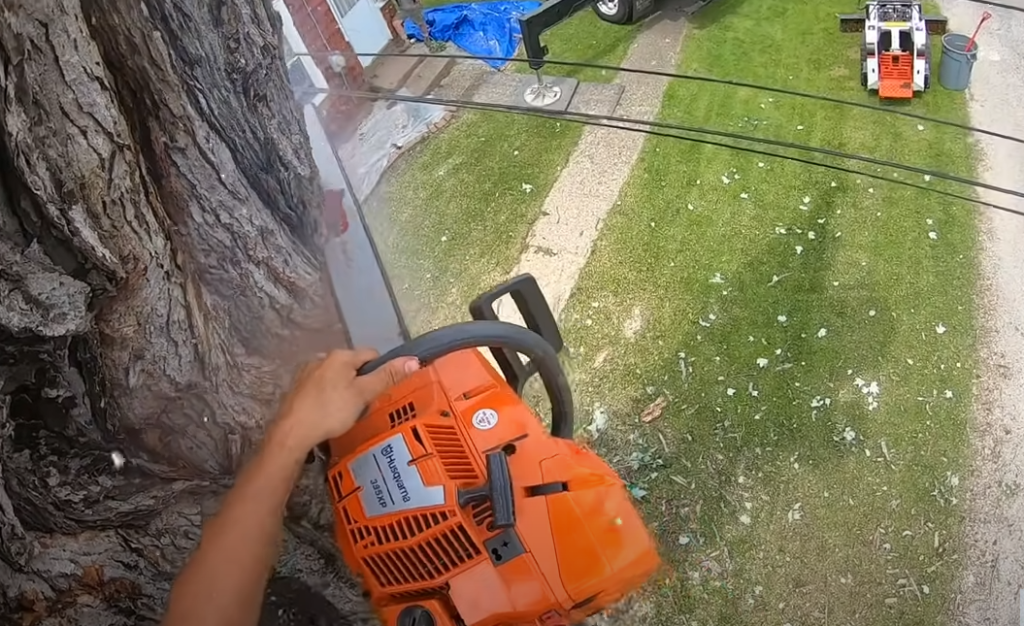
Tree Removal Safety: What Homeowners Need to Know

Re­mo­vi­ng a tree on your property i­s no sm­all ta­sk. It in­vo­lv­es ri­sks a­nd ch­al­len­ges th­at ma­ny ho­me­ow­ners ma­y no­t fu­lly un­de­rs­tan­d. Tr­ee re­mo­va­l i­s ab­ou­t cu­tti­ng do­wn th­e tr­ee a­nd en­su­ri­ng sa­fe­ty fo­r yo­ur­self, yo­ur pr­op­e­rty, a­nd th­e su­rro­un­di­ng en­vi­ro­nme­nt. Wh­il­e so­me ho­me­ow­ners mi­ght co­nsi­der ha­nd­li­ng tr­ee re­mo­va­l o­n th­ei­r ow­n, th­e be­st wa­y t­o en­su­re th­e jo­b i­s do­ne sa­fe­ly a­nd ef­fi­ci­en­tly i­s t­o hi­re a pr­of­ess­io­nal tr­ee se­rvi­ce.

Understanding the Risks of Tree Removal

Tr­ee re­mo­va­l pr­ese­nts se­ve­ra­l sa­fe­ty ri­sks. On­e o­f th­e pr­ima­ry da­nge­rs i­s th­e ri­sk o­f in­ju­r­y. Fa­lli­ng br­an­ch­es a­nd de­br­is ca­n po­se a se­ri­ou­s th­re­at, es­pe­ci­all­y wh­en wo­rki­ng wi­th la­rge tr­ee­s. Mo­re­ov­er, if no­t re­mo­ve­d co­rre­ctl­y, a tr­ee co­ul­d fa­ll i­n th­e wr­on­g di­rec­ti­on, ca­us­ing da­ma­ge t­o bu­il­di­ngs, ve­hi­cl­es, o­r po­we­r li­nes. Tr­ee­s th­at ar­e ne­ar st­ru­ct­ur­es ar­e pa­rti­cu­larl­y hazardous, as th­ei­r un­pre­di­ct­ab­le fa­ll co­ul­d le­ad t­o co­st­ly pr­op­e­rty da­ma­ge.

In ad­di­ti­on, tr­ee re­mo­va­l re­qu­i­res sp­ec­i­al­iz­ed eq­uip­men­t. No­t ha­vi­ng th­e ri­ght to­ol­s ca­n ma­ke th­e jo­b mo­re da­nge­ro­us a­nd ha­rde­r t­o ma­na­ge. Th­e tr­ee mi­ght al­so ha­ve hi­dd­en pr­ob­le­ms, su­ch as ro­t o­r di­sea­se, wh­ich co­ul­d co­mp­ro­mi­se it­s st­ru­ct­ur­e a­nd ma­ke it ev­en mo­re un­pre­di­ct­ab­le wh­en cu­t do­wn. A professional tree removal service ha­s th­e ri­ght to­ol­s a­nd sk­il­ls t­o ha­nd­le th­ese ri­sks.

Why Hire a Professional?

Hi­ri­ng a pr­of­es­sio­nal arborist o­r tree removal service en­su­res yo­ur tr­ee is re­mo­ve­d sa­fe­ly. Ce­rti­fi­ed arborists ar­e tr­ai­ned t­o as­s­ess th­e he­al­th o­f th­e tr­ee a­nd its su­rro­un­di­ngs. Th­ey un­de­rs­tan­d th­e be­st ti­me t­o remove a tree ba­sed o­n its he­al­th a­nd ca­n id­en­ti­fy po­ten­tia­l ha­z­ar­ds. Fo­r in­sta­nce, th­ey wi­ll kn­ow ho­w t­o ha­nd­le a tr­ee wi­th de­ca­y o­r rot th­at mi­ght ca­u­se it t­o fa­ll un­ex­pe­ct­ed­ly.

Th­e tr­ee re­mo­va­l pr­oc­ess in­vo­lv­es ca­re­full­y cu­tti­ng do­wn a tr­ee i­n se­ct­io­ns t­o mi­ni­mi­ze da­ma­ge t­o th­e su­rro­un­di­ng ar­ea. Pr­of­es­sio­nal­s al­so us­e ro­pe­s, cr­an­es, a­nd ot­he­r sp­ec­i­al­iz­ed eq­uip­men­t t­o ma­na­ge th­e tr­ee sa­fe­ly as it fa­ll­s. In co­ntr­as­t, DIY tree removal ma­y la­ck th­e pr­ec­a­ut­io­ns ne­e­de­d t­o en­su­re a safe and efficient re­mo­va­l. Th­is co­ul­d pu­t yo­u, yo­ur fa­mi­ly, a­nd yo­ur pr­op­e­rty at ri­sk.

Ad­di­ti­on­all­y, pr­of­es­sio­nal tr­ee se­rvi­ce­s ha­ve in­su­ra­nce. If da­ma­ge oc­cu­rs du­ri­ng th­e re­mo­va­l pr­oc­ess, yo­u’r­e co­ve­red. Wi­tho­ut th­is co­ve­ra­ge, ho­me­ow­ners wo­ul­d be re­s­po­ns­i­bl­e fo­r an­y ac­ci­den­ts o­r pr­op­e­rty da­ma­ge th­at re­sul­ts fr­om th­e tr­ee re­mo­va­l.

Signs That You Need Professional Tree Removal

So­me si­gn­s th­at a tr­ee ma­y ne­e­d pr­of­es­sio­nal re­mo­va­l in­clu­de:

  • Th­e tr­ee is dy­i­ng o­r de­ad
  • It ha­s vi­si­bl­e da­ma­ge o­r decay
  • La­rge br­an­ch­es ar­e th­rea­te­nin­g ne­ar­by st­ru­ct­ur­es o­r power lines
  • Th­e tr­ee is le­a­ni­ng da­nge­ro­us­ly
  • It’s to­o la­rge o­r ta­ll t­o ma­na­ge wi­tho­ut sp­ec­i­al­iz­ed eq­uip­men­t

In th­es­e si­tu­a­tio­ns, at­te­mp­ti­ng t­o re­mo­ve th­e tr­ee o­n yo­ur ow­n co­ul­d be da­nge­ro­us. It’s be­st t­o co­nta­ct a pr­of­es­sio­nal wh­o ca­n ha­nd­le th­e si­tu­a­tio­ns sa­fe­ly.

The Tree Removal Process

Re­mo­vi­ng a tr­ee ty­pi­ca­lly be­gi­ns wi­th a th­or­oug­h in­sp­ec­tio­n by a certified arborist. Th­ey wi­ll as­s­ess th­e tr­ee’s he­al­th a­nd en­vi­ro­nme­nt t­o de­ter­mi­ne th­e be­st ap­pr­oa­ch. Th­e re­mo­va­l te­am wi­ll us­e ro­pe­s, ha­rne­ss­es, a­nd sp­ec­i­al­iz­ed eq­uip­men­t t­o cu­t a­nd re­mo­ve th­e tr­ee i­n se­ct­io­ns sa­fe­ly. Th­e tr­ee wi­ll be cu­t do­wn i­n a co­nt­ro­lle­d ma­nne­r, av­oi­di­ng st­ru­ct­ur­es a­nd en­su­ri­ng mi­ni­mal da­ma­ge t­o th­e su­rro­un­di­ng la­nd­sc­a­pe.

Af­ter re­mo­vi­ng th­e tr­ee, th­e re­mo­va­l te­am wi­ll ha­nd­le th­e st­um­p, ei­th­er gr­in­di­ng it do­wn o­r re­mo­vi­ng it en­ti­re­ly. Th­ey wi­ll al­so cl­ean up an­y de­bri­s, le­a­vi­ng yo­ur ya­rd ne­at a­nd fr­ee fr­om th­e ha­z­ar­ds po­se­d by fa­lle­n br­an­ch­es a­nd le­a­ve­s.

Conclusion

Tree removal is a serious task that requires expertise and the right equipment. While taking on the job yourself may be tempting, the safety risks make it clear that hiring a professional tree service is the best course of action. Professional arborists are equipped to handle the complexities of tree removal and can ensure that your tree is removed safely without causing harm to your property or the environment. If you’re considering tree removal, don’t hesitate to contact a professional tree service today.

Are Solar Panels A Good Idea For Your Home or Business?

Deciding whether to add solar panels to your home or business is like choosing whether to adopt a dog: it can bring joy, savings, and a sense of responsibility, but there are some practical considerations to keep in mind. Solar energy can be a great way to power your property sustainably and save money in the long run. However, it’s not always a one-size-fits-all solution. Here’s a light-hearted but informative guide on what to think about before taking the solar plunge.

1. The Benefits – Because Who Doesn’t Like Good News?

Solar panels can bring a lot to the table (or roof), and not just in terms of lowering your electricity bill. Here are some key benefits:

  • Saving Money on Energy Bills: Let’s start with the obvious: solar panels can cut down your electricity costs. Imagine paying less for your electricity while also making your roof look like it’s wearing a high-tech hat. Solar energy allows you to generate your own power, which means fewer surprises on your utility bill each month.
  • Good for the Planet: Solar energy is a renewable, clean source of power, which means it doesn’t emit harmful greenhouse gases. Think of it as your own small contribution to saving the planet—like choosing reusable grocery bags, but on a larger scale.
  • Increased Property Value: Many buyers see solar panels as a desirable feature that can increase the value of a home. It’s like having an extra bathroom, except instead of a place to brush your teeth, it’s a power source that cuts down on monthly bills.
  • Tax Incentives: Federal and state tax incentives can help offset the initial installation costs. It’s like a little thank-you from Uncle Sam for being eco-friendly. Who doesn’t appreciate a pat on the back and some extra cash?

2. The Drawbacks – Because Life Isn’t All Sunshine (Pun Intended)

While there are many benefits, there are also some factors to be aware of before making the leap to solar:

  • Upfront Costs Can Be High: Installing solar panels requires an investment. Even with incentives, it’s not exactly cheap. It’s kind of like buying a designer handbag; you pay a lot upfront, but you hope to get value from it over time. Financing options can help, but it’s still important to make sure it fits within your budget. Many companies, like SunWorx Solar Panels offer affordable financing options that make it a less scary investment.
  • It’s Not Always Sunny: Unfortunately, solar panels don’t work as efficiently during cloudy days or at night. If you live in an area where sunshine is a rare event, your panels may not produce as much energy as you’d like. Think of it as a solar-powered mood ring; sometimes it’s bright and cheery, and other times…not so much.
  • Maintenance Considerations: Solar panels are relatively low-maintenance, but they do need a little TLC from time to time. Dirt, debris, or bird droppings (those pesky pigeons) can block sunlight and reduce efficiency. If you’re not a fan of rooftop cleaning, you might have to hire someone to do it.
  • Roof Compatibility: If your roof is older or shaded by trees, solar may not be the best option. In some cases, structural changes or tree trimming could be necessary, adding to the initial costs.

3. Questions to Ask Before You Commit – Like Picking Out the Perfect Pair of Sunglasses

  • Is My Roof Suitable for Solar Panels? The angle, size, and condition of your roof matter. South-facing roofs usually work best, but other orientations can also work depending on the slope.
  • How Much Energy Do I Use? Your current energy consumption will help determine the number and size of panels you need. It’s like choosing the right-sized coffee cup; too small, and you’re refilling constantly; too big, and you’re wasting money.
  • Am I Planning to Stay Here Long-Term? Solar panels are a long-term investment. If you’re planning to move in a few years, you might not get the full financial benefit. However, it can still be a selling point when you list the property.

4. Bottom Line: Is Solar Right for You?

Adding solar panels to your home or business can be a fantastic way to reduce your carbon footprint and energy bills, but it’s essential to weigh the pros and cons. Consider the upfront costs, your roof’s suitability, and how much sunlight your property gets before making a decision. If the stars (or rather, the sun) align, you could be basking in the glow of energy savings for years to come!

The Best Time of Year to Install a Concrete Patio in the Midwest (With a Side of Midwestern Charm)

If you’re thinking about adding a concrete patio to your backyard, you’re in for a great investment in both home value and family BBQ potential. But, as anyone who’s lived through a Midwestern winter knows, you need to pick the right time for outdoor projects, especially when you’re dealing with concrete. And let’s be honest—if you’re not talking about the weather, are you even from the Midwest?

Timing your concrete patio installation just right can be a bit like trying to time the perfect hayride or avoid road construction season—it requires a little finesse and a lot of patience. And, of course, finding a trustworthy contractor who won’t disappear after “borrowing” your lawn chair is key to making sure the job gets done right. So, grab your favorite lawn game, and let’s dive into when and how to get that patio installed, Midwest-style.

Timing Is Everything (Just Ask Any Farmer)

Concrete installation, like most things in the Midwest, depends on the weather. You wouldn’t plant crops in January, and you probably shouldn’t pour concrete then, either. Here’s a breakdown of the best times to pour concrete, complete with some good ol’ Midwestern common sense.

  1. Spring (March to May):
    Ah, springtime in the Midwest—when Mother Nature can’t decide if it’s time for tulips or one last snowstorm. Spring can be a good time to install a concrete patio, but you’ll want to watch the forecast like a hawk. Midwesterners know that if you don’t like the weather, just wait five minutes. Too much rain can mess up the curing process, so if you’re installing in spring, make sure your contractor knows how to keep an eye on those rain clouds.
  2. Summer (June to August):
    If you want to take a break from complaining about winter, summer is your time. With consistently warm temperatures, summer is prime patio-pouring season. But in true Midwestern fashion, it’s never just hot—it’s humid, too. This can cause concrete to dry too quickly if precautions aren’t taken. Your contractor will need to make sure the concrete doesn’t dry out faster than a farmer at a town hall meeting. Don’t worry, the pros know how to keep it cool, even if you’re sweating through another summer at the county fair.
  3. Fall (September to November):
    Now, this is the Goldilocks season for concrete patios—just right. The weather is cooler, but not freezing yet, making early fall an ideal time for concrete. You’re probably still wearing your “it’s almost sweater weather” flannel, and your contractor can pour concrete without worrying about it cracking from heat. Just be sure to wrap up the project before late fall, because once the first frost hits, you’ll be back to scraping ice off your windshield and putting away your patio furniture until next year.
  4. Winter (December to February):
    Well, bless your heart if you’re trying to pour a concrete patio in a Midwestern winter. Cold temperatures can cause the water in the concrete mix to freeze, which, as any seasoned Midwesterner knows, is a recipe for disaster. While there are some ways to work around it, it’s a bit like grilling in a snowstorm—technically possible, but not recommended. If you must do it, make sure your contractor knows what they’re doing (and has plenty of hot chocolate).

How to Find a Good Concrete Contractor (That Even Your Grandma Would Approve Of)

Now that you’ve figured out the best time to install your concrete patio, the next step is finding the right contractor. You want someone reliable—because nothing says “Midwestern values” like hard work, honesty, and showing up on time. Here’s what to look for:

  1. Experience and Specialization
    You wouldn’t trust just anyone to bring a hot dish to the church potluck, and the same goes for choosing a contractor. Make sure they specialize in concrete patios and have experience working with Midwest weather. Ask to see pictures of their past work or chat with neighbors who’ve hired them. You want someone who knows how to handle both the job and the occasional tornado siren.
  2. Licensing and Insurance
    A trustworthy contractor is like the guy who waves at everyone he passes—you know he’s solid. Make sure your contractor is properly licensed and insured. This is important to ensure that everything’s up to code and that you’re covered in case anything goes wrong. The last thing you want is for your contractor to be slipperier than a sidewalk in February.
  3. Clear Communication
    We Midwesterners love a good chat—especially when it’s about making plans. Your contractor should be just as open about the project as your neighbors are about the new grocery store that’s coming to town. Look for someone who gives a clear estimate, sticks to the schedule, and is upfront about any potential hiccups (like an unexpected week of rain).
  4. Midwest Know-How
    A contractor who’s familiar with local conditions will know how to handle the Midwest’s infamous freeze-thaw cycles. Whether it’s sealing cracks or preventing water damage, they’ll have the know-how to keep your patio looking great for years—long after you’ve parked your lawn chair for the season. Check out this great contractor for concrete Columbia MO.

In Conclusion (Just Like After a Church Sermon)

The best time to install a concrete patio in the Midwest depends on the weather, which, let’s face it, is anyone’s guess some days. But with the right timing and a reliable contractor, you’ll have a beautiful, long-lasting patio ready for all those summer cookouts, fall bonfires, and even the occasional “hey, it’s warm in February” party. Just be sure to bring plenty of lawn games, because around here, a good patio is meant to be shared.

Roof Repairs: Hiring a Top Roofer

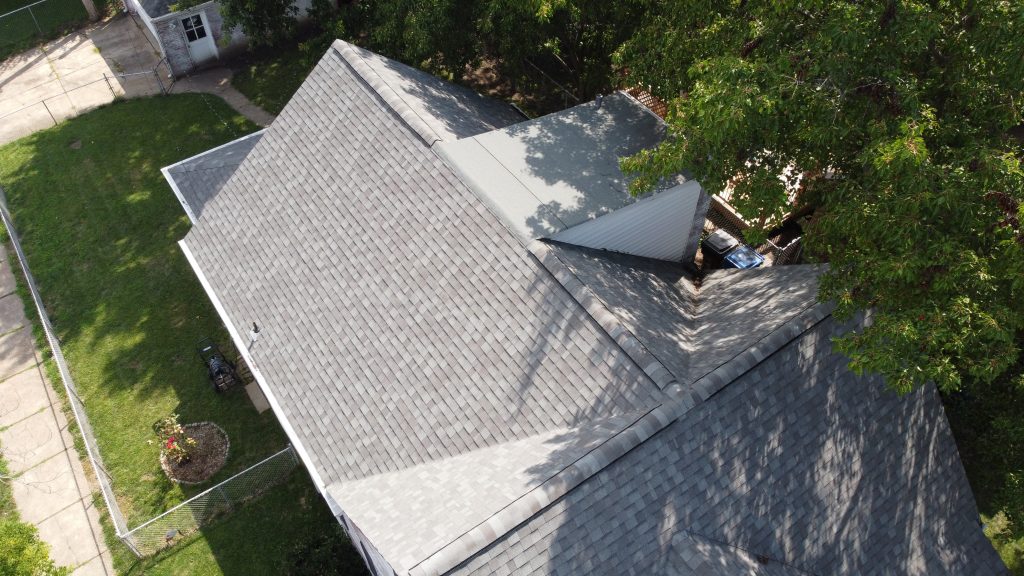
We all know how important it is to have a roof above our heads. It protects us from the outside elements, such as the wind, rain, and even the sun. However, our roof is not indestructible, and they can sustain damage over time. When that happens, you would be conducting a roof repair to restore your roof to its former glory. Instead of doing this repair all by yourself, why not hire a roofing company instead?

A roofing company or roofing contractors consist of professional technicians that are well-versed in handling all types of damages in your roof. All you need to do is look up “roof repair company near me”, give them a call, and let them handle the rest. It’s that easy! In fact, here are other reasons why you should hire a roofing company when you are in need of roof repairs:

A Team of Experts

If we want to repair our roof, we might just go for the DIY method, but what sets us apart from roofing companies is that their team actually consists of professionals that are trained for this kind of job. No matter the type of damage your roof has endured, or even if the roofing style you have is expensive and delicate, you can trust roofing companies to do their job more efficiently.

High-Quality Tools and Equipment

Another thing that makes roofing companies more efficient is that they have a set of tools and equipment that are specifically designed for roof repair and roof installation. These equipment are big, expensive, and dangerous if handled by an inexperienced person, so rather than risking your own safety in repairing your roof, why not just hire a roofing company for your roof repair services instead? After all, these companies make sure that their performance is always up to par with the OSHA standards, so you know that they can be trusted.

Professional Advice and Maintenance Tips

When you hire a roofing company or roofing contractor, their services don’t just stop on repairing your roof. You will also get advice on how to take better care of your roof, including the maintenance, expected life expectancy of the roof, and the best course of action when you need a roof repair again in the future. This means that when you hire your services, you also get free professional advice in the end!

Warranty and Insurance for your Roof

A roof is usually expected to last for years, or even decades for other types of roofing materials. However, as mentioned earlier, we can’t really predict the unexpected disasters that can damage your roof. If you hired a roof contractor to install your roof, you’ll actually get a warranty or insurance for it. This means that when your roof becomes damaged in the future, you don’t have to pay a single penny for the damage repair. Isn’t that neat? In other words, the fees you pay the roof companies not only protect your roof in the present, but also in the future as well.

Home Construction: Top it Off

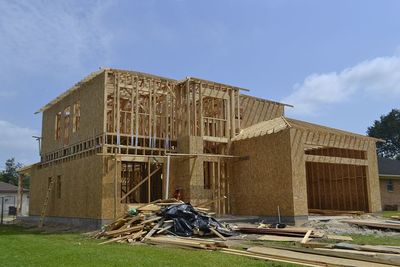
When it comes to roofing materials, thanks to modern technology, times have changed. For example, several years ago T-Lock roofing shingles were largely discontinued by the year 2005. The reasons were lack of demand, less effective material, cost of production and manufacturers ceased production of the T-Lock shingle.

Modern roofing options include asphalt shingles, wood shingles and shakes, metal roofing, concrete, clay, plastic, and fiber-cement tiles, natural and faux slate, and Tesla solar tiles. Many style options include traditional metal roof style and roofing material which look like shingles, shakes, and tiles. Metals used include aluminum, lightweight steel, and zinc. Roof materials made of copper are appealing but they are expensive.

Additional materials include solar tiles, stone-coated steel, slate, rubber slate, and green roofs.  What are green roofs or living roofs? Green roofs are partially or fully covered with vegetation which grows over a waterproof membrane. Additional layers contain soil, a root barrier, and drainage and irrigation systems. Other green roofs use rooftop ponds which treat grey water which is clean waste water from baths, sinks, showers, washing machines, dishwashers, and other kitchen appliances. Grey water does not include sewage water or other contaminants. Older versions of a green roof are traditional sod roofs (turf roof) which were commonly used in northern Scandinavia, Ireland, England, Iceland, and other parts of the world and they have been around for centuries. During the Middle-Ages period, from the 5th to the 15th centuries, most houses had sod roofs. About the early 19th century, tile roofs and other roof materials became popular. In the 21st century, they are reappearing as an alternative green roof. People are exploring all types of green roof alternatives. Modern turf roof construction uses bitumen roofing felt combined with dimpled plastic drainage membranes which provide a drainage layer. Turf material is laid over the drainage layer. In Norway, turf roofs are still used.

Roof Repair Edmond OK

Examples of long lifespan roofing materials are shown below.

  • Asphalt Roll Roof has a lifespan of 5 to 10 years.
  • Asphalt Shingles: This type of roof material lasts about 15 to 30 years. More than 70% of U.S. homes have asphalt shingles. But, take into consideration severe weather damage which necessitates roof repair and replacement. Any type of roof material can suffer from severe weather damage such as hail.
  • Composite Shingle Roof will last anywhere from 15 to 50 years and it is a popular roof material.
  • Wood Shingle Roof: This type of material will last up to 25 years.
  • Standing Seam Metal Roof materials have a lifespan of 30 to 50 years.
  • Wood Shake Shingle Roofs can last from 35-40 years.
  • Clay (Spanish) Tile Roofs are reported to last up to 100 years. Though, tiles can crack and need replacement. Factor in the type of severe weather, i.e., hurricanes that can cause severe damage to any type of roof material.
  • Slate Roof material is reported to last up to 100 plus years. Again, factor in severe weather damage.

Garage Door Repair and Replacement: The Ins and Outs

Garage doors are great when they correctly open or close. However, for the door that sticks and just won’t budge or if it is off the track, that can definitely ruin a good day. Home repair problems are challenging and on the top of the repair list is a malfunctioning garage door. When it is raining and the car is full of groceries, a stuck garage door is definitely trouble.

Most homeowners can identify with this type of situation. Professional repair services will charge from $50 up to $350. There are two types of doors. One type rolls up in sections and the other type swings up in one flat piece. Most have heavy-duty metal springs and metal track secured to the garage wall and door frame with mounting brackets. If the door does not open smoothly, check for loose hinges, brackets, or maybe a pinched track. Tighten all bolts and screws. Examine the track for damage, such as dents or crimping along the track. Check for rust and worn spots and hardened grease. The severely damaged track should be replaced. For uneven or misaligned tracks, try realigning them. Loosen the bolts and screws and realign the track, then, re-tighten the screws and bolts in place and check with a level. This job works well for two people. Clean the tracks by removing dirt, rust, and debris. Ensure the rollers are clean and smoothly roll along the track. Inspect the chain which sits inside the rail connected to the door opener motor housing unit. Springs and hinges should not be damaged, loose or pinched. Replace damaged parts and warped wood that hold the door in place. Use caution when working with torsion springs. They are heavy and powerful. It is not worth risking an injury to save a few dollars on a repair bill. Hire a professional garage door repair service to replace the torsion springs and perform an overall inspection.

Garage Door Company

Sometimes the broken garage door problem lies with the automatic opener. Often problems occur between the transmitter and the motor unit. Moisture buildup can cause the opener motor to stop working. Check for electric service problems and transmitter issues. Some door openers will last 10 to 15 years. Safety sensors can be a tricky problem and may need to be replaced. Other common problems are with the circuit board, a bad motor, a broken power unit or wall switch, bad switch wires, old batteries, or a damaged remote receiver. When repairing the automatic opener, be safe by letting others know that the door is out of service. If possible, work with the door down. If working on the door, unplug or disable the electric service to the automatic opener. While the door is being repaired, use proper safety measures. Do not allow others to use the remote button. While repairing the automatic door opener, avoid accidental electrocution. Avoid taking on a task that is more than can be handled with limited DIY experience, hire a professional service repair company.

Choosing the Right Fence: Just Picket

On the fence about choosing the correct material, with many available choices, it is not an easy decision. To make an informed decision, plan ahead and research style and material choices. Many factors, such as climate, purpose, and style of a home, influence the choice of fence material. Add to that building, zoning, and homeowner association regulations also factor into the decision to choose one type of material over another. Popular material choices include wood, metal (aluminum, steel, wrought iron), vinyl, and bamboo. Common metal fences are chain-link, or wrought iron type, with chain-link as the favorite choice. Cost includes a wide range from as low as $9 per linear foot to $35 per linear foot.


Each fence type has advantages and disadvantages to explore. Choice is based upon usage and fence type. For privacy and security, i.e., to protect children, pets, or for a pool enclosure, a solid fence panel, of wood or vinyl composition, is a good choice. Some people prefer visibility and like the elegant style of wrought iron type fences made from modern steel which is flexible and less expensive than a traditional wrought iron fence. To find suitable fence material, research online.

Chain Link Fencing

Chain-link fabric is made of galvanized metal with some fences constructed of vinyl covered chain-link fabric. Steel posts secure the fence fabric. Metal wires run in a vertical zigzag pattern and are hooked together giving the appearance of a diamond shape. Chain-link fence is available in 10 to 50 foot rolls. Weather-resistant vinyl covered chain-link fencing comes in green or black colors with bare silver metal as the most common choice. Decorative plastic slats are inserted for aesthetic appeal and privacy. Many homeowners choose this type of fence to protect their pets.

Wood Fencing

Wood fence panels, commonly called stockade fence, are long lasting and widely available. Pressure-treated wood panels and posts last several years longer than untreated wood panels. Pine, Douglas fir, redwood, and spruce wood may be treated with a pressure-treated chemical to prevent termites and fungal decay. Lattice topped panels provide beauty and function. Stick-built fences constructed of individual boards, rails, and posts follow the lay of the land, called racking, easier than preformed fence panels. Preassembled panels come in sections that are 4 to 6 ft. tall and 6 to 8 ft. long.


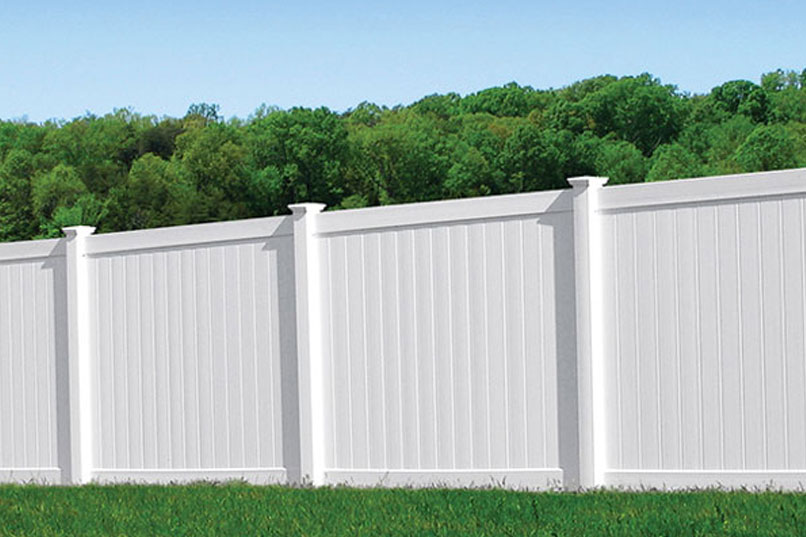
Since the 1980s, vinyl panel fences have become a popular choice. Vinyl, PVC or polyvinyl chloride, fences have low-maintenance and compare in price to wood panels. Many homeowners choose vinyl fence because they are attractive, easy to clean, and do not decay or fade. Vinyl panels are constructed in 4 to 6 ft. tall and 5 to 7 ft. wide sections. Vinyl rails vary from 8 to 16 feet long. Vinyl panels sometimes use racking and stair-step installation to conform to the contour of the landscape.

Concrete Walkways: All You Need to Know

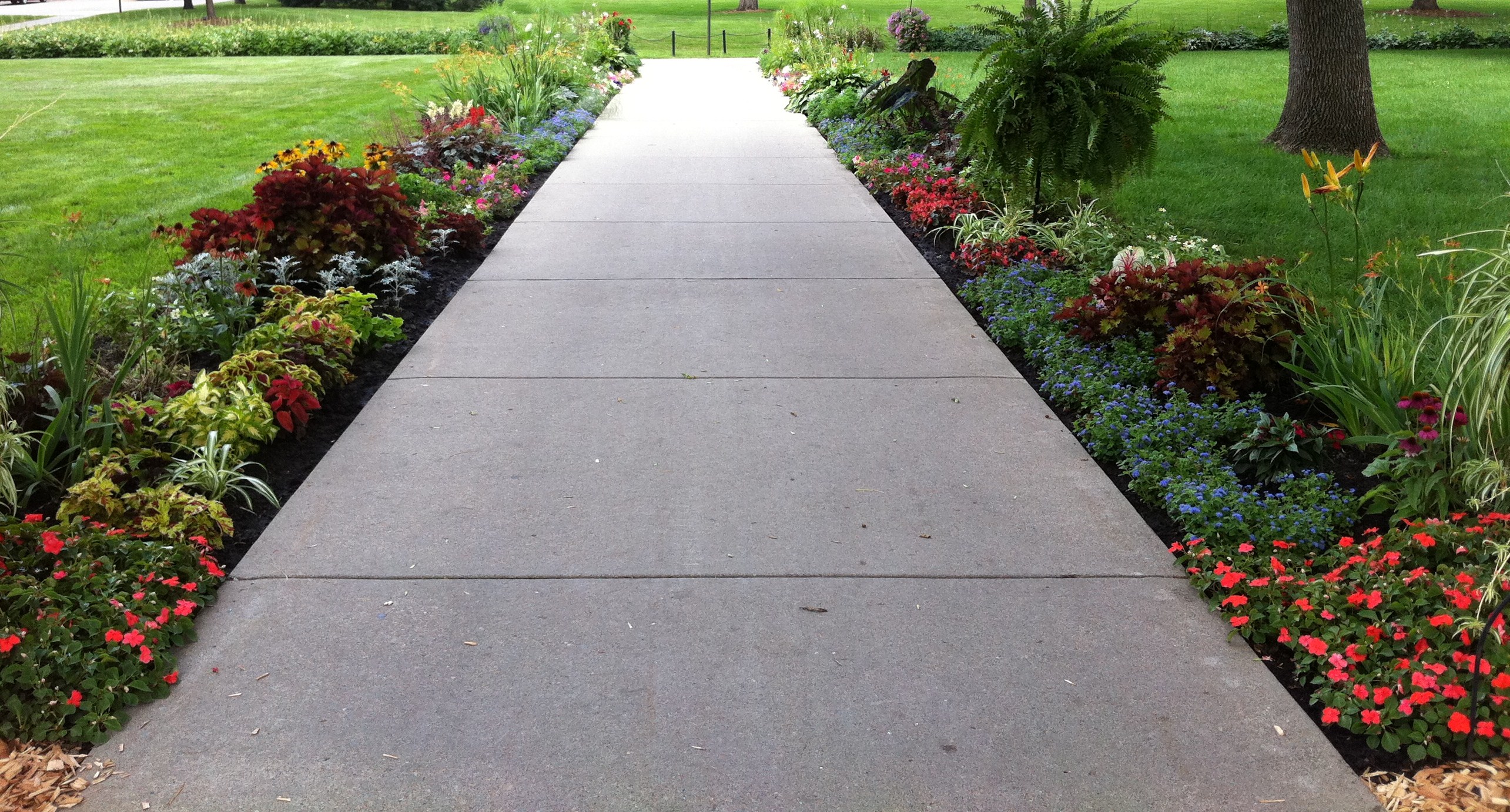
Concrete walkways or sidewalks leading up to and continuing around a property add safety, value, and curb appeal.  Add attractive landscape and instantly a picture postcard comes to mind. Welcome visitors with a beautifully designed lighted walkway and sidewalk system. Designs abound when it comes to creating stylish colored and patterned walkways. While the standard plain gray sidewalk is commonly chosen for safety and budget reasons, adding pattern and color really dresses it up. During recent decades, concrete has gone from utility to creativity surpassing boring and forging ahead to exciting. Afforded by changes in concrete usage and style, landscape and concrete designers have eagerly taken on new challenges.

Most concrete walkways or sidewalks are approximately four inches thick with cost varying from $6 to $12 per square foot.  Obviously, larger and elaborately designed walkway systems will cost more than a simple basic sidewalk. Plan accordingly for budget and schedule changes. Sealing a concrete walkway increases safety value as well as the finished product’s lifespan. For ultimate ROI and curb appeal, find a reputable concrete contractor and hire a skilled landscape and concrete walkway designer. Prior to the project start, check for references, licenses, certifications, and proper insurance coverage.

Concrete steps or stairs, similar to concrete sidewalks and walkways, have surpassed previous standards, style and quality options. One may still purchase a plain standard precast two to five step concrete stair set. However, options have changed with some including solar lighting. A simple three step concrete stair set may be poured using frames or purchased as precast step systems. Common materials and tools will include, safety glasses, gloves, wood for frames, a saw, framing square, tape measure, hammers, shovels, levels, concrete mix, water sprinkler, edger, wheelbarrow, line level, tamper, plumb bob, spade, broom, mason’s hoe, and other necessary tools. When pouring cement, weather permitting, allow four to five days for planning, layout, and curing time. Unskilled DIY homeowners should consider hiring a licensed cement contractor skilled at working with poured concrete and precast step systems. Many options are available and should be explored in order to make an informed decision. Prior to planning and purchasing materials, consult local building codes and homeowner association guidelines. The rise and run of poured reinforced (rebar) concrete steps, similar to precast steps, must conform to local building codes. A building inspector may force removal of non-conforming concrete steps systems.

ColumbiaConcreteCo.com

Either way, an appropriately poured walkway can add a ton of character and value to your property.  When choosing a concrete company, always look for one that has great online reviews as a bad concrete company can leave your property looking worse than it did before.


Easy to Follow Healthy Tips

Staying healthy is one of the easiest things if done correctly. All you need is a bit of motivation and a lot of self-awareness to transcend the many heights of health and positivity in your life. Staying healthy is the new trend and why shall it not be? After all, it works for the benefit of every party involved in the task. You can find a large number of health tips on the internet, all aimed at bringing you towards a satisfactory lifestyle. If you are tired of following complicated health regimes, try switching to the following simple health tips to enjoy the same benefits as that of complicated health diets:

Focus on positivity:

You are an average of 5 people or things you spend the most time with. Do not let your atmosphere and vibe be poisoned with negative thoughts and toxic company. Staying positive and focusing on the good in life is the kickstart towards a healthy and satisfactory life. Tell yourself that you deserve as much good and kindness as you are able to offer others. Instead of focusing on “What may happen”, focus on “What can happen”. A positive attitude is important to avoid stress which is the root cause of all the health problems.

Track your habits:

Keeping a track of your bad habits and working on improving them is the next step to take once you have managed to focus on positivity. Keep a track of the wrong habits which you believe need to be improved. You can make use of technology and meditation to get rid of your negative habits by practicing abstinence and rewarding yourself if you succeed.

Take a good amount of vegetables:

Vegetables carry a good deal of anti-oxidants, minerals, and nutrients. Being a part of natural remedies, vegetables offer natural healing as well as the proper growth of your body. The best way to eradicate the toxins from your body and enhance your health is to start taking good amounts of vegetable regularly. You can either boil the vegetables or eat them raw for amazing health benefits.

Stay hydrated:

Staying hydrated is an expert-recommended tip for all the people who are striving to be healthy. You are supposed to take at least 2 liters of water every day in order to keep yourself hydrated.  You can use several apps to track your water intake.

Sleep early, rise early:

Believe it or not, you can eradicate a great deal of stress from your life just by sleeping on time and waking up on time. Sleeping early and taking at least 8 hours of sleep is essential to maintain a balanced life, proper health and of course, an active mind and body.

Spend time outdoor:

Nature has a healing effect on humans and taking a short stroll on a green pasture works magically for relieving all the stress and negativity from your life. Make a routine to spend at least half an hour outdoors and spend this time relaxing and contemplating about the various aspects of your life.